
My 48 hours in Marrakech taught me a that destination events are way more than just a backdrop. The destination is also part of the event.
I think there's a version of destination events where the location feels essentially decorative. We fly over our production habits, we dress the space to match the brief, and the place itself becomes a pretty container for something that actually when you think about it, could’ve happened anywhere.
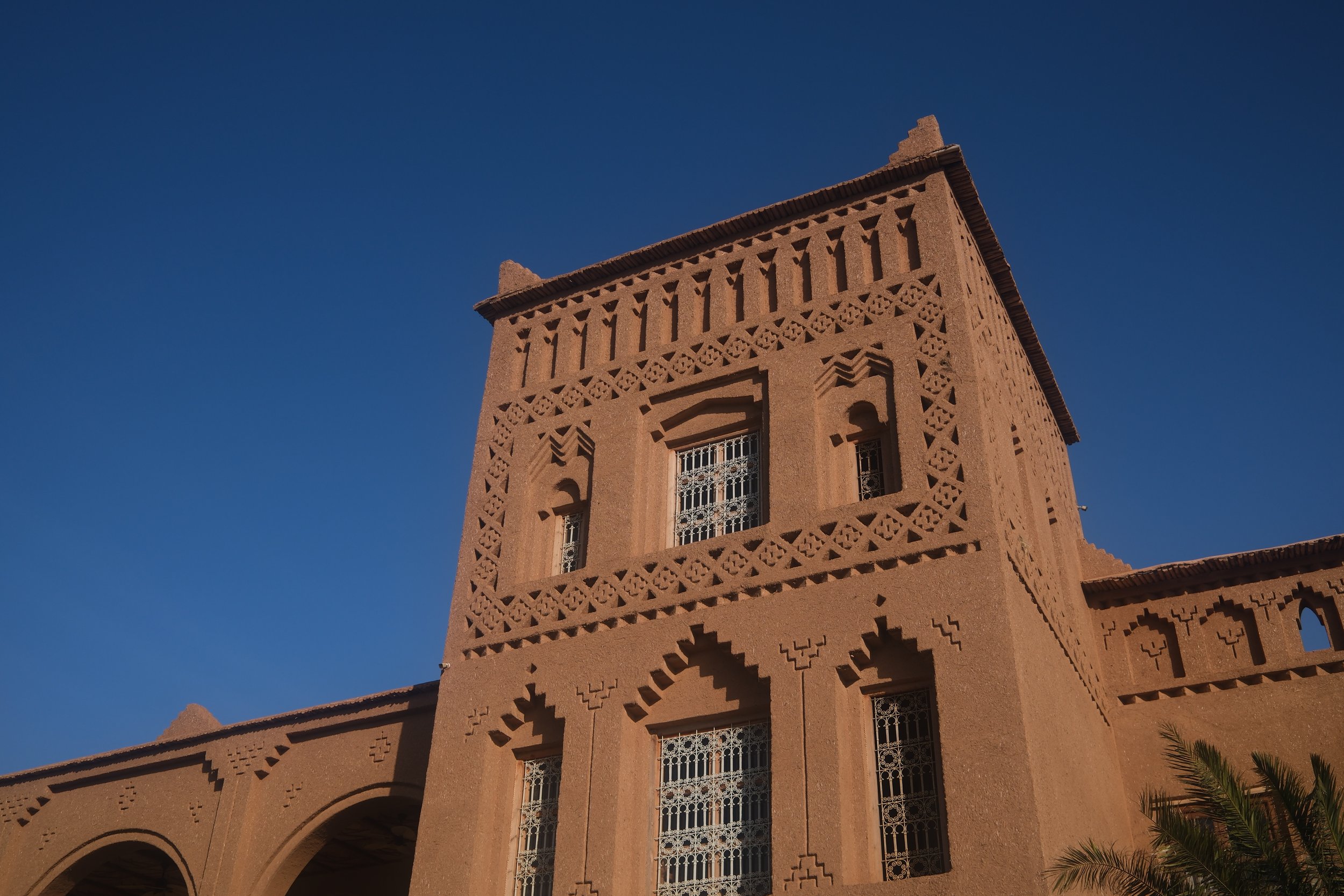
Morocco didn’t let us do that.
I was in Marrakesh recently on a site visit. Walking venues, meeting suppliers, asking questions, taking notes and eating increibel food (tough job!) But what stuck with me wasn't just the unique beauty of the spaces, or the logistics of making it all happen. It was the feeling that the destination had its own opinion about how things should go. That if we tried to force our own idea of what we want the event to feel like, the authenticity would feel capped.
That's not a problem. That's actually the whole point.
Hospitality here isn't a service standard. It's a value system.
The way you're received in Morocco — the tea, the pace, the eye contact, the genuine interest in who you are before any business is discussed never felt performative. It felt like a culture that has thought deeply, for a very long time, about what it means to welcome someone into your space.
As an event professional, that stopped me. Because so much of what we do is about manufacturing that feeling. Designing for warmth. Engineering atmosphere. And here it was, just... present. Embedded in the walls, in the people, in the rhythm of the day.
The question it left me with: what would it look like to produce an event that honoured that, rather than overlaid it?
Luxury looks different when it's rooted in somewhere real.
A lot of luxury event design is about removal. Clean lines, neutral palettes, the erasure of anything that feels too specific or too local — because specificity feels like risk, and luxury is supposed to feel universal.
Marrakesh challenges that completely. The riads, the light, the geometry, the textures — none of it is subtle. It is unapologetically itself. And the effect isn't overwhelming. It's real. It makes you feel like you're somewhere, rather than nowhere dressed up nicely.
That's a different kind of luxury. One that asks guests to arrive, to be present, to actually experience the place they've been brought to. Not to be insulated from it.
We saw some camels come up, and not iniially a part of the event plan we thought, hmmm, aybe this could actually be kinda cool? I mean also, how dare we come to this camel’s home and ask it take a vaccay during our event?! Who are we. It’s giving coloniser.
What a site visit teaches you that a deck never can.
You can research Morocco. You can look at photographs and read venue profiles and have calls with ground handlers. And you should. But none of that tells you what the air feels like at sunset, or how sound moves through a courtyard, or what the walk from the entrance to the main space does to a guest's anticipation.
A site visit is an act of humility. You go to learn what you don't know. And in a destination that carries this much cultural weight, what you don't know is significant — and worth respecting.
I’ve learned that the best events in places like this will work when we don’t arrive with all the answers. We arrive with good questions, genuine curiosity, and enough confidence to let the destination shape the work rather than fighting it.
Marrakech isn't a backdrop. It's a collaborator. And the best thing we can do as a planners, producers, creatives, and managers, is show up ready to be in their conversation, not just to direct one.
Also shoutout to these chefs